
Valve Releases Proton 11
It’s a piece of news that is a little bit late since we are covering a release that happened a few weeks ago in July 2026, that most people did not probably notice anyway as they were glued to the FIFA world cup. Now we are back in business and catching up on a few important news! The previous Proton release was Proton 10.0-3 back in November 2025, so it’s been more than half a year.
So what does this Proton 11 bring on the table?
A Big Backend Update
Time for Wine 11
Proton 11 is built on top of Wine 11, which is a significant rebase that overhauls how Windows API calls are translated. This version strips deprecated code paths from older versions, and manages to reduce memory overhead by approximately 5-8% during long sessions. The update improves emulation for legacy DirectInput APIs and modern system services. It also helps to resolve authentication failures caused by background processes (like EA Play).
DXVK & VKD3D-Proton
The release updates DXVK (namely moving to the 2.7.1 version) and VKD3D-Proton (from the proton-20260410 branch), the components responsible for translating DirectX 9-12 calls to Vulkan.
- Shader Compilation: Valve expanded shader pre-caching databases, specifically targeting open-world titles like Cyberpunk 2077. This reduces micro-stutters caused by mid-playthrough compilation on integrated AMD RDNA architectures (the Steam Deck and Steam Machine benefit from it).
- Memory Allocation: New Vulkan memory allocation strategies fix texture pop-in issues in Capcom’s RE Engine games, including Resident Evil Village and the Resident Evil 4 Remake.
- DirectX 12 Support: VKD3D-Proton receives fixes for descriptor heap management, improving stability in newer AAA titles that use compute shaders heavily.

Compatibility and Anti-Cheat Handling
Proton 11 puts a priority on fixing broken authentication layers, and this translates in several ways:
- EA/Origin Fixes: Resolves crashes during launch and multiplayer lobby freezes caused by overlay conflicts. Games previously marked “Bronze” on ProtonDB now achieve stable launches without manual workarounds.
- Legacy Support: Improved handling of Windows XP/7-era APIs allows classic RTS games and early 2000s titles to run natively, removing the need for community patches like Protontricks.
- Anti-Cheat Regressions: A subset of titles using EasyAntiCheat’s latest kernel-level drivers may experience launch failures. Valve recommends switching to Proton Experimental via Steam settings until developers update their Linux signatures.
Performance & Input Optimization
The release underwent five beta iterations, focusing on regression prevention and input latency reduction.
- Audio Latency: The ALSA/PulseAudio translation layer was rewritten to handle high-refresh-rate audio streams, eliminating crackling in rhythm games and competitive shooters at higher frame rates. Unfortunately I don’t play such games so I won’t be able to see such improvements.
- Controller Mapping: Steam Input fixes dead-zone calibration for third-party controllers and resolves axis registration issues with flight sim yokes using older DirectInput standards.
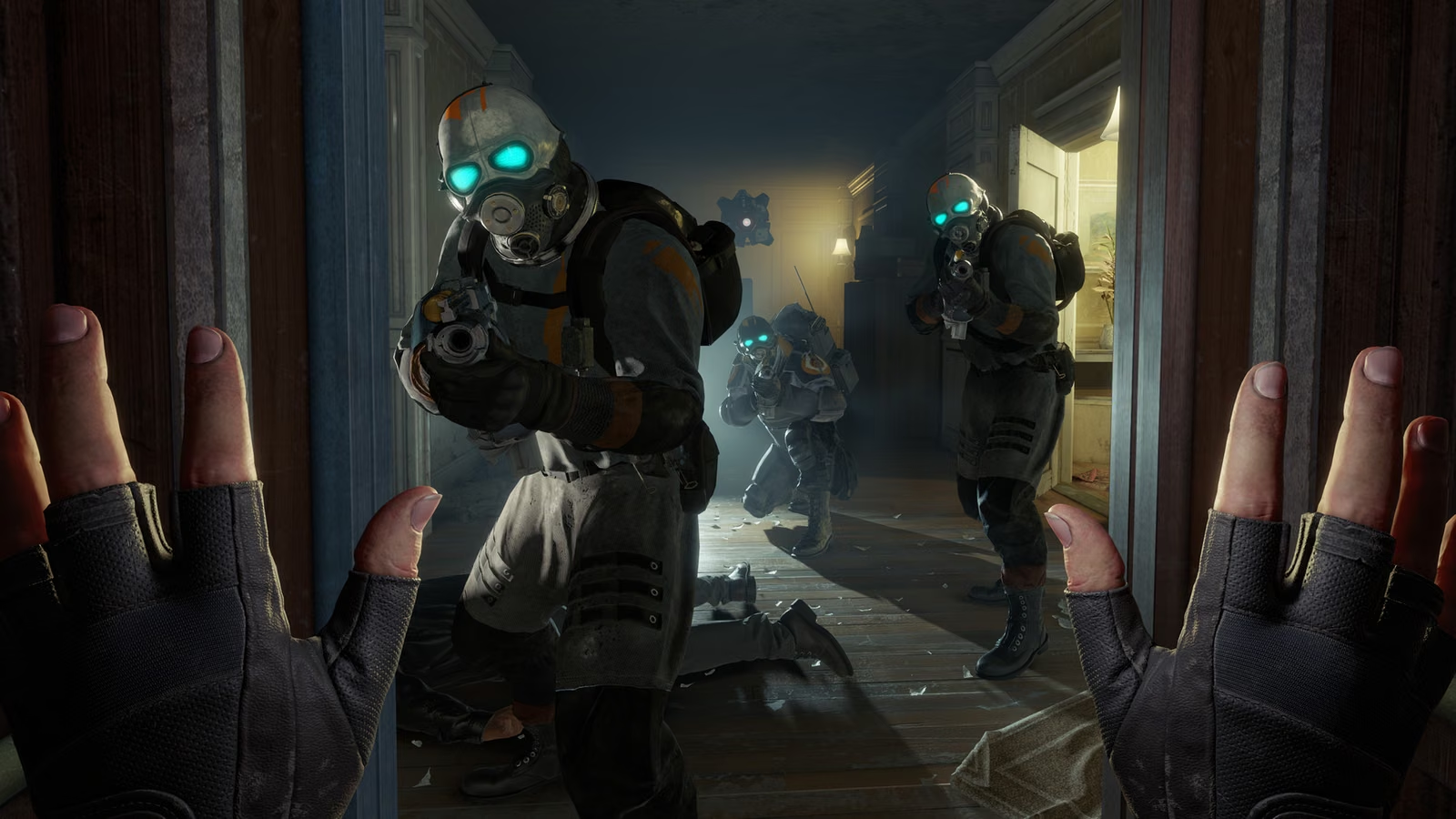
- VR Tracking: Minor tracking latency has been reported in Half-Life: Alyx on non-Deck VR setups via USB hubs, tied to new input polling rate changes. In case you are affected by this issue, it’s recommended to roll back to Proton 10.x until this is patched.
Desktop Linux Improvements
While optimized for handhelds, this release benefits desktop environments significantly.
- High-DPI Scaling: Fixes text being blurred in game menus when using fractional scaling (125%, 150%) on Ubuntu and Fedora.
- File System Permissions: Resolves save corruption issues caused by cloud-syncing games writing directly to virtual
C:\Users\directories across multiple Linux user accounts.
More stability
This is release focusing on maturity instead of trying to add a lot of compatibility fixes. It refines existing support, improves on authentication layers (EA), and tweaks the shader performance on hybrid ARM/AMD architectures.
Proton starts on more solid ground with the major cleanup of the Wine codebase. From there on they can start focusing on building the next iteration of the Proton ecosystem.
Since Proton 11 has been out for a few weeks, most of my games on Linux are now using it, and I don’t believe I saw any major regression or new type of issue on the games I have been playing for a while.
The sign of a successful update.