
Fortune Seller: Review
With the popularity of gambling-“inspired” games after Balatro, Fortune Seller gives it a go with an inventory management take. Developed and published by Kiwick, the game works well on Linux with Proton and is Steam Deck Verified.

In Fortune Seller, you start a job as the cashier at an occult items store, serving a shady and greedy owner, that demands exponential profits at every week. You know, the Balatro drill. At Week One, the demands to progress are in the thousands of points, and in the Week Four, when you face the last boss Mammona(the store owner), the requirements are in the millions. After winning the story mode, you can proceed to the endless at your discretion.
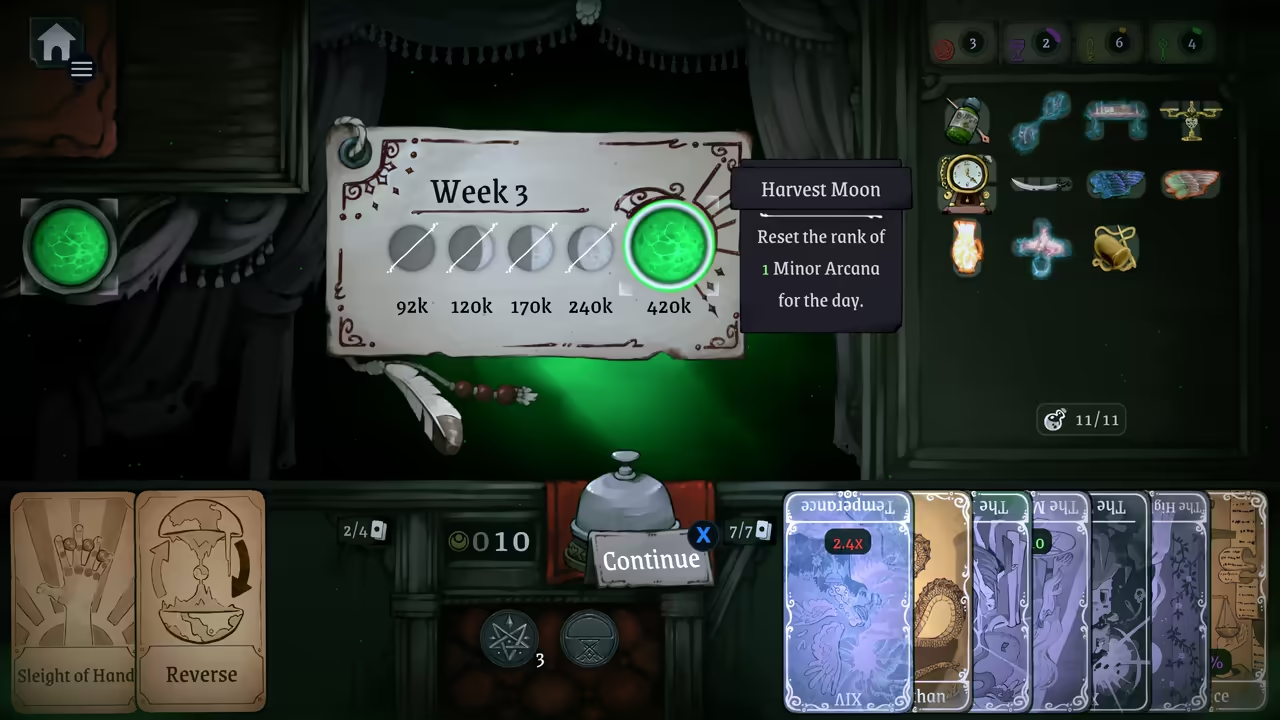
Each day of the Week, several customers will come to your store. I liked that they each have a very characteristic and well-designed portrait, and say by speech bubble something related to their personality. There is some story going on with their life. You cannot grasp much during the game, the inclusion might feel like an afterthought, as it does not elaborate much. But I like to think about it and fill the blanks in my mind. It is a nice inclusion, and I appreciated it.
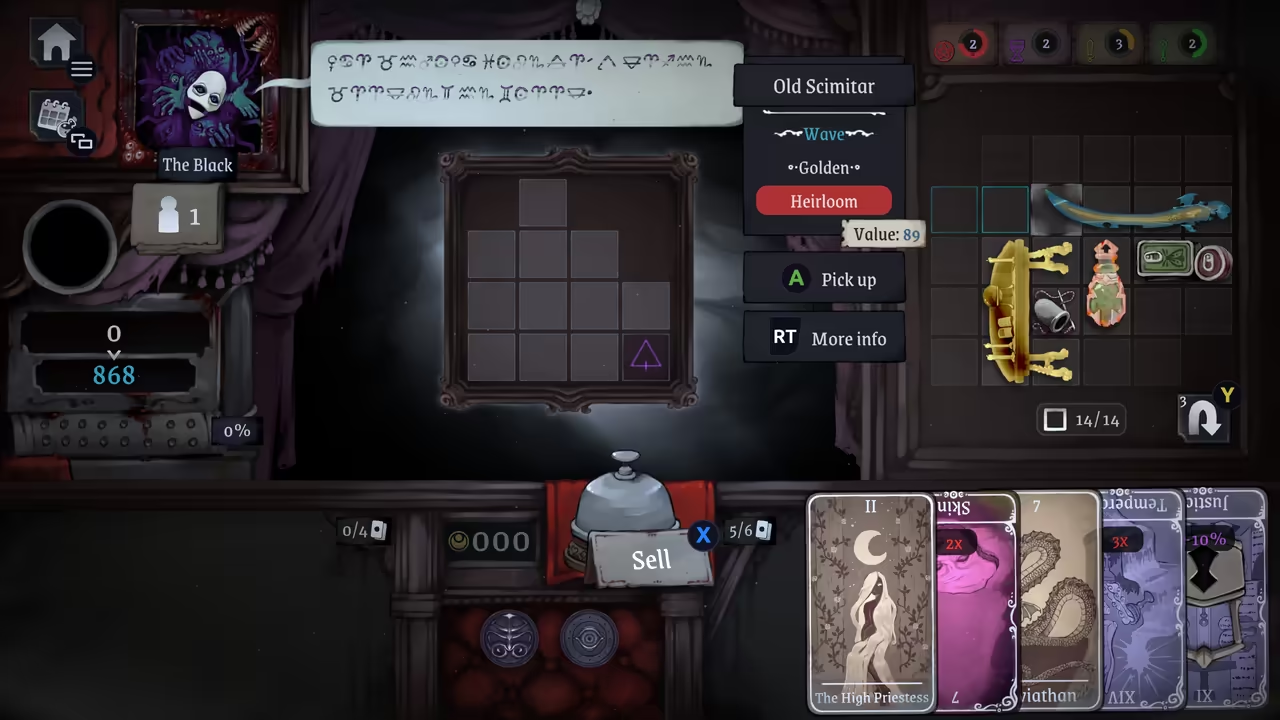
Mammona, for example, is a name associated with greed, and their picture is designed to resemble many hands composing a body. The name itself sounds like “hands” in some languages (also ricinus). Again, not sure if anything besides the greed part was the intent, but I enjoyed the thought.
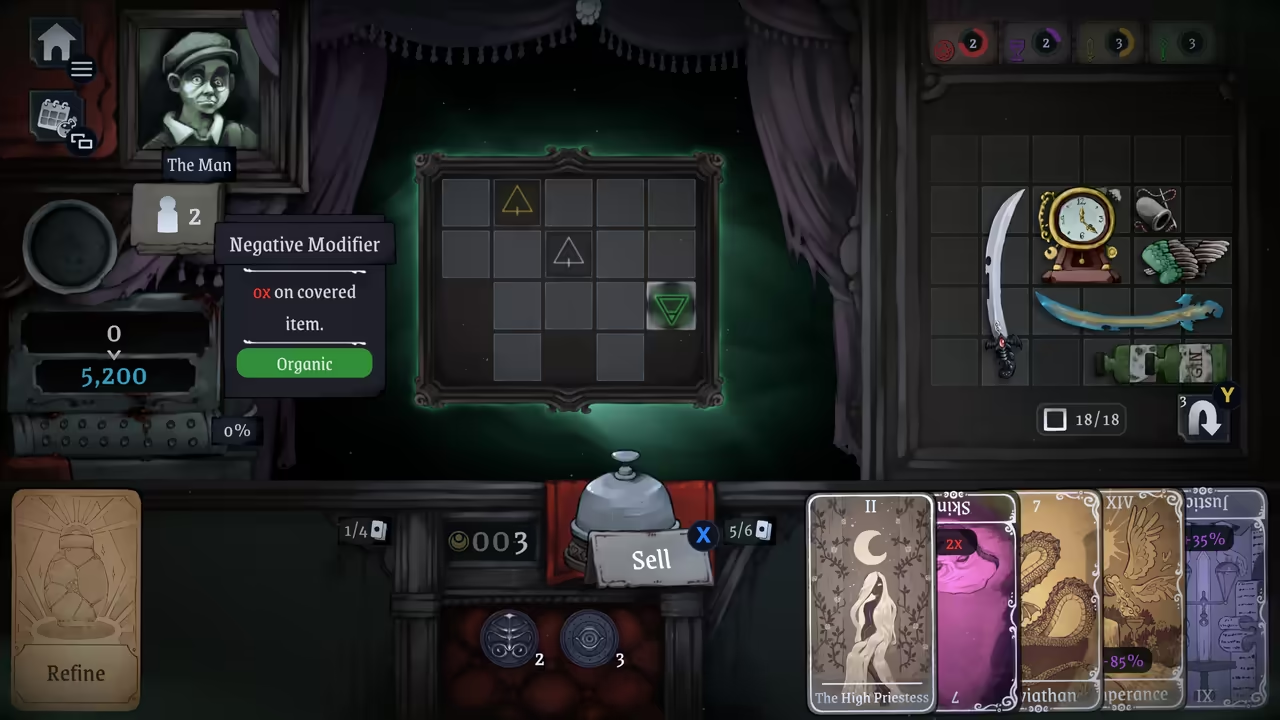
Each of those customers will show a different square-grid to place items. The grid change and gets more complicated as the game progress. Not beating the required score at the last customer of the day is game over, the store owner devours you. Scoring is interesting, it is a mix of items, item placement and associated modifiers.
Items are scored by size, shape and type. A bigger item with a weird shape will cost more than a smaller item, and the type will affect some of the possible modifiers you can acquire while playing.
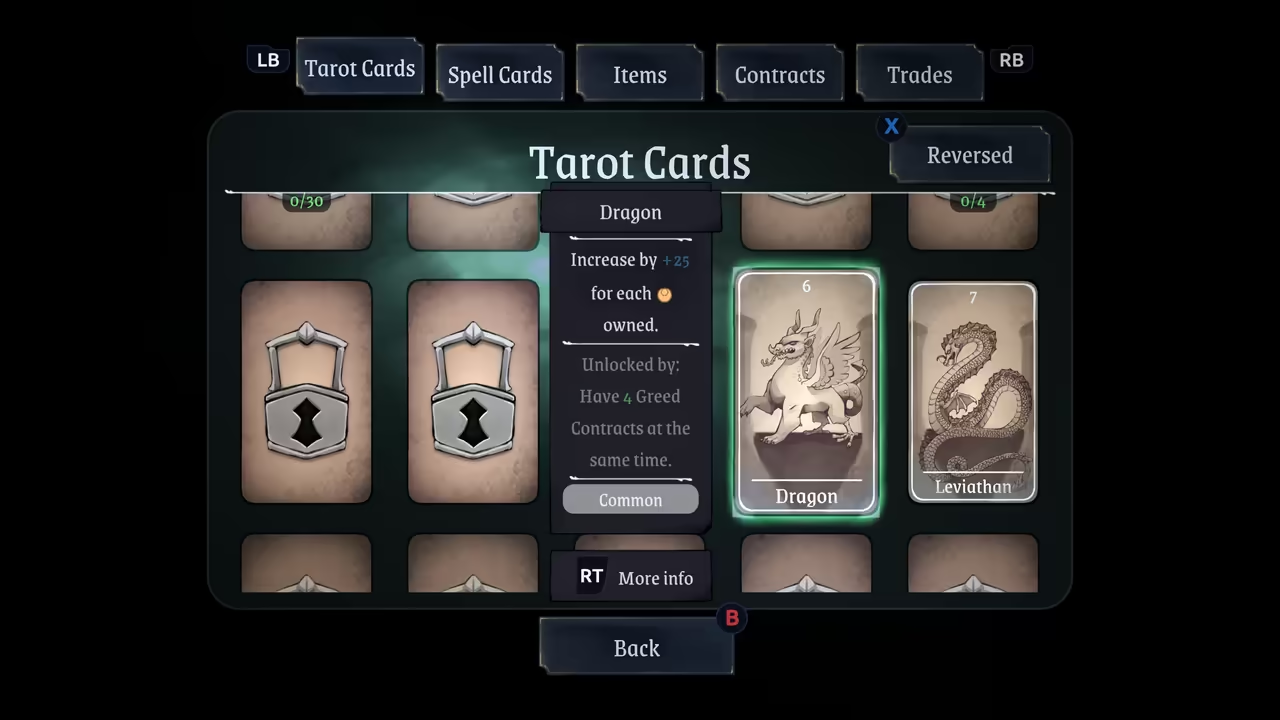
All items and modifiers are associated with the theme of the Occult: Tarot cards, Spells, Contracts that promises you something good, but take a tool on your build. So is your starting “hand”, based on the horoscope. Each comes with a unique item, called signature, that you have to plan your game around.
It is the Balatro formula again. Well, Balatro might be the most famous example. But it is nothing new. You get gambling mechanics that are quite common, not unique or new, and compress the game on how often they happen, removing enough player agency in the process to make EA jealous (but without charging extra money for a sense of accomplishment). Some people call them Gatcha, I am old, and slot machines is what comes to my mind.
Imagine you play a dungeon crawler, where you are rewarded only at the end of a dungeon, make the reward random rather than something the king promised you (aka something related to the settings that helps tell a story). Let’s make it worse, a smaller meaningless random every time you finish a floor in the dungeon. How about a combat? An even smaller and meaningless reward every time you defeat an enemy. But with a small change to get something substantial just to trigger that dopamine. If you are into games or human behaviour, there is a chance you bumped on a talk on the subject. World of Warcraft and Diablo designers talk about their designs quite excitedly: some of those devs compared killing a mob in World of Warcraft to pulling a lever in a slot machine.
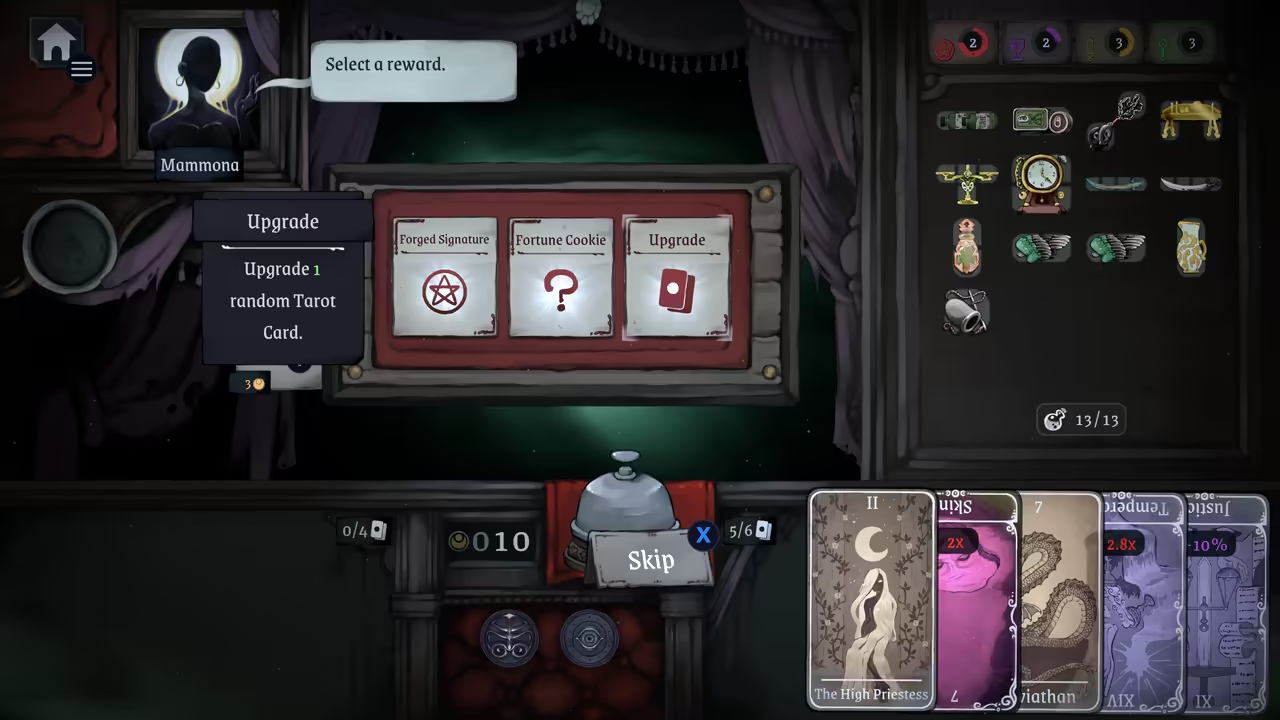
Games like this are similar, instead of fighting and enemy, in Fortune Seller the lever is organizing blocks in a grid. I usually have an issue with games that rely too much on gambling mechanics. They end up being addictive and harmful. I think the square-grid mechanic tries to push Fortune Seller a bit. The decision on what to put on the board is yours, and how you put items on the board will impact your score by a lot. But again, Eletronic Arts also tries to add a bit of gameplay just to avoid casino laws from interfering with their games.
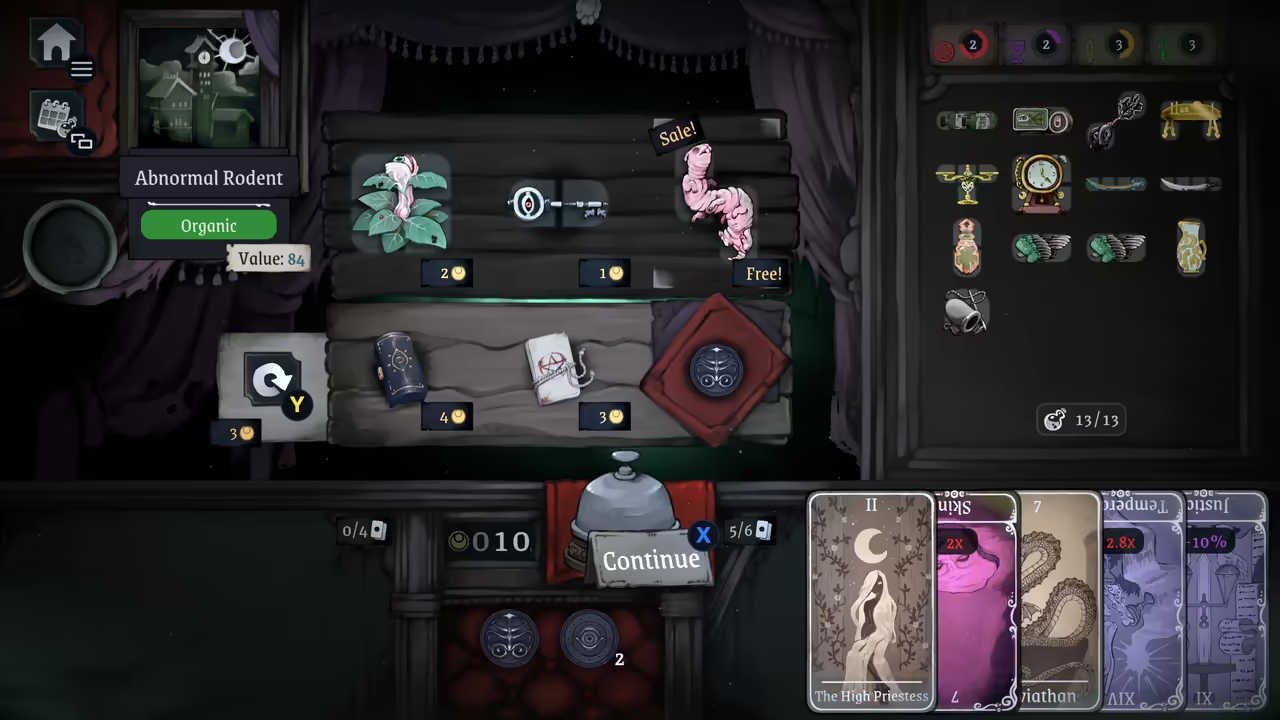
The RNG did not bother me too much early on, as there were just a handful of cards and items to pick from the start. But as you unlock more, it gets hard to plan or find an ideal build that complements your starting hand. And you just try to go through the gambling loop quicker or just resetting your run.
It astonishes me that the devs previous game, Rekindled Trails, have similar inventory management mechanic. But there are so much more game in there that the fewer parts you have to organize the items in a grid feels like part of the game, rather than a gambling mechanics.
The game supports controller. It took me a bit to get used to it, as not all mechanics are labelled. For example, I was using (X) button to move pass screens most of the time, but that can also make you skip a customer if you are not careful. By accident, I discovered I could move forward with (A), sp I could avoid skipping customers by mistake. Once I got used to the controllers, I preferred it over using the mouse, as it made the game a bit faster than clicking things. It would be even faster if I could move between “blocks of interface”, like jumping from where you pick the items to the square-grid, or quickly accessing the Spells, instead of slowing moving there step by step.
It works well on the Steam Deck, drains about 16Wh @ 90Hz, but you can reduce the refresh rate to save a bit of power with no impact on the visuals. The game is Verified, but I felt the elements tiny on the Deck screen.
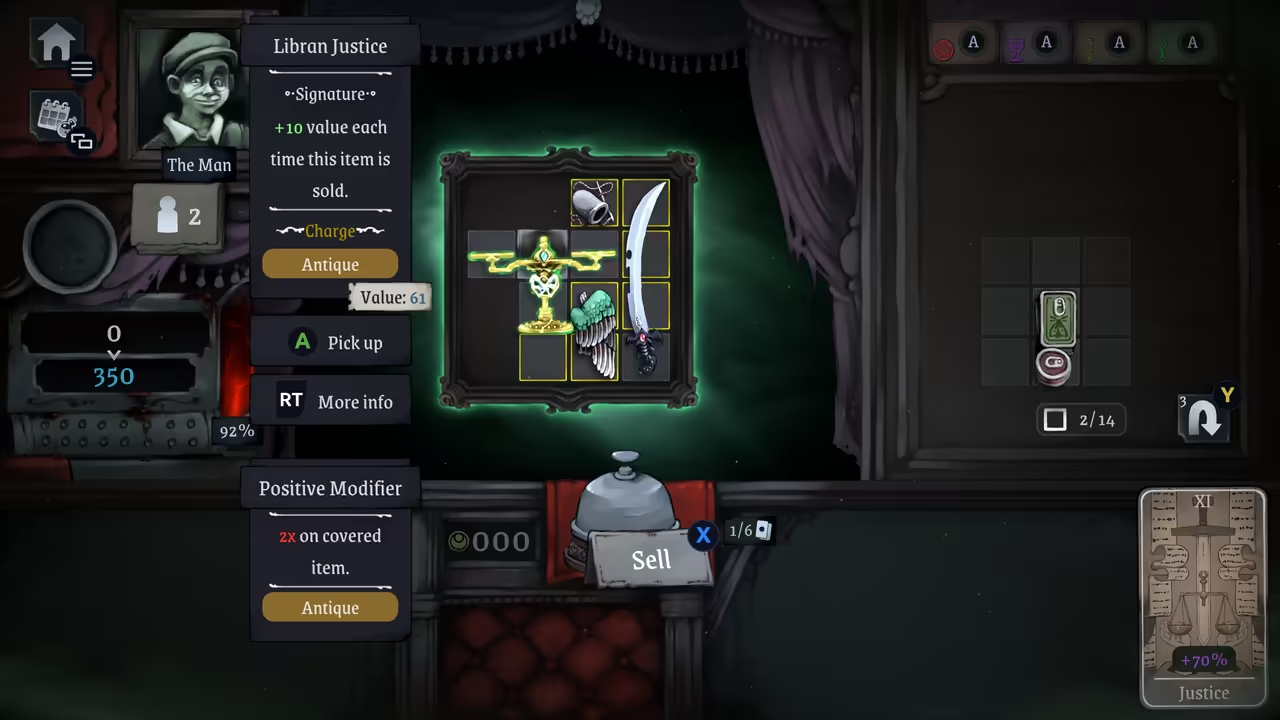
I had some fun trying different builds, mostly on figuring out what to build around the starting hands. Gemini was one of my favourites, which signature item increases in value every time you rotate your Tarot cards. There is a Spell that rotates a Tarot card, so you can access a reverse modifier. But there is a Tarot card that reverse all other cards when you use this Spell on it, strengthening that signature item very fast.
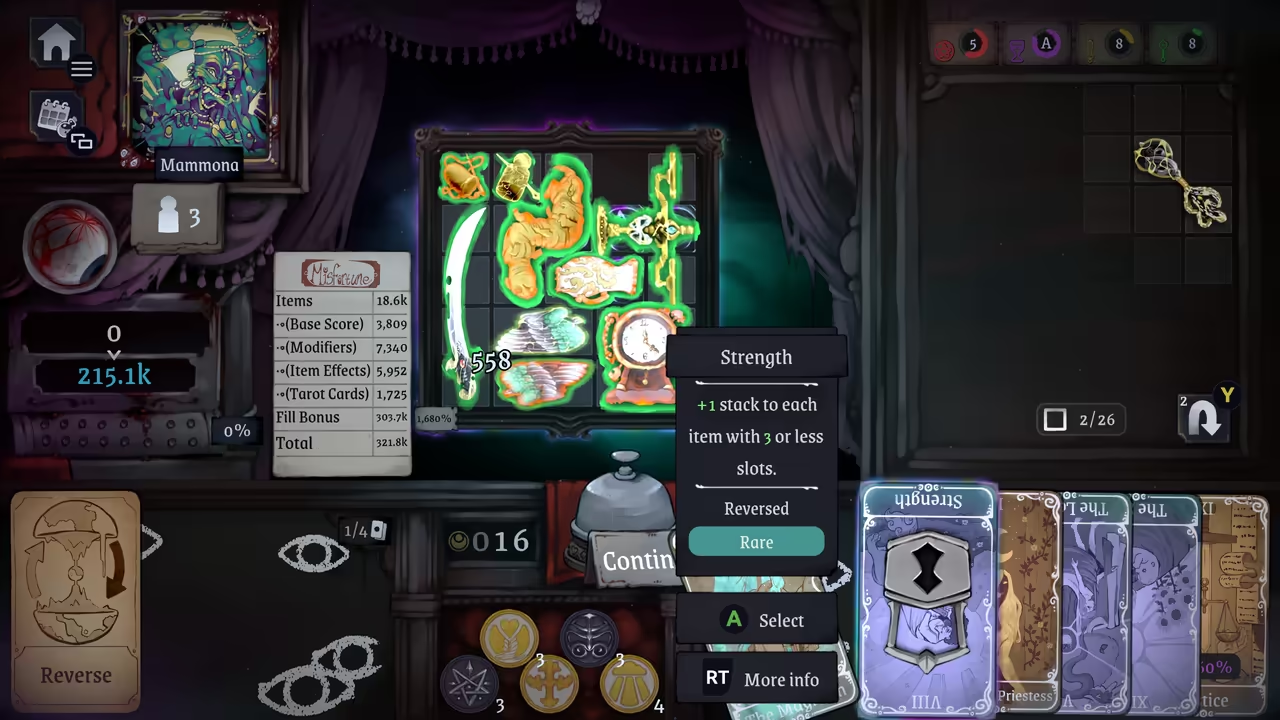
Sadly, I could never enjoy the game for long because of the gambling mechanics. I like the steps taken to hide it a bit, like interesting customers, the occult theme, nice art, and giving me some agency here and there. But the RNG, points going big, pulling a lever… It does not matter how many steps you put between the player and pulling the lever, a slot machine is a slot machine.
Fortune Seller is available on Steam.
Note: We were provided a review key by the publisher.